Summer is in full swing, and I can feel it. There’s a palpable energy to the season—sometimes a little frantic—the do-do-do, go-go-go kind: BBQs, squeezing in one more bike ride, hiking, swimming, tending the garden, finding time to lounge in the sunshine.
And yet, amidst all that activity, what I cherish most about summer is the ease. The sun shows up with warmth and consistency, inviting us out of hibernation and into more movement and freedom.
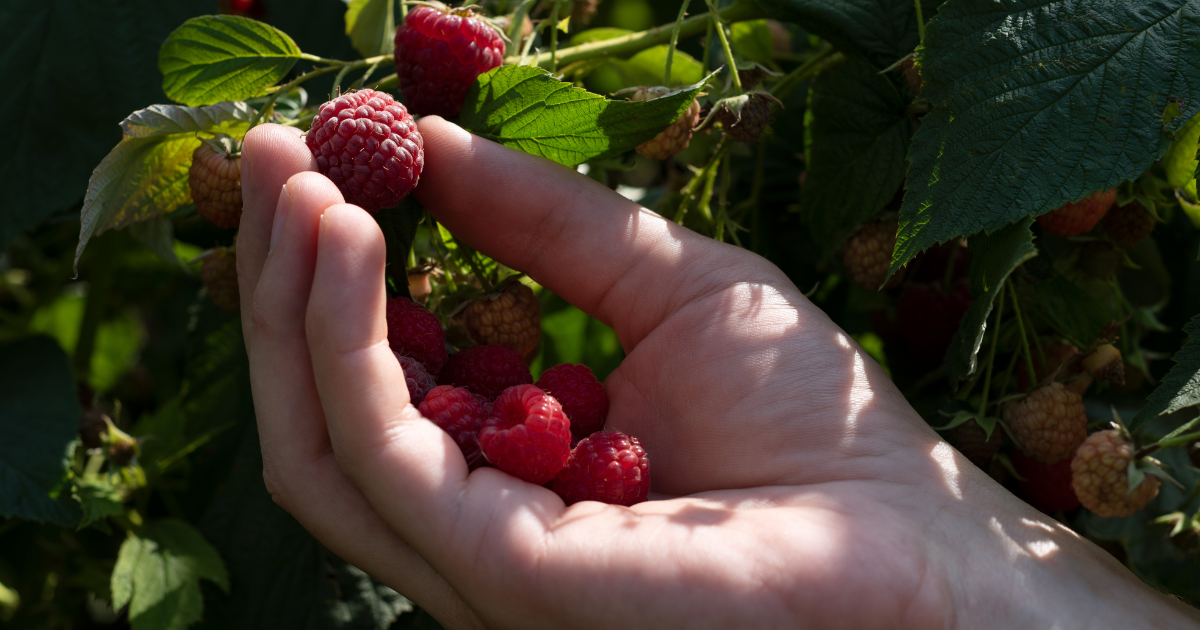
Just last night, I was picking raspberries in the late-afternoon sun and was struck by how little I do to make them grow. I give them space, a bit of water and sun, and they just… grow.
Lately, I’ve been exploring self-compassion more deeply—with my clients and in my own life. Over the past few years, as I’ve gotten to know some unfamiliar (and sometimes uncomfortable) parts of myself—and watched my clients do the same—I’ve come to understand that self-compassion isn’t a one-and-done kind of thing.
You can’t just slap a compassionate mantra on a hard feeling and expect transformation. We have to understand that part of us first—even those shadowy parts. When we can get curious about our behaviors or emotional intensity, I often see self-compassion begin to emerge on its own. Like those raspberries—growing in their own time, in their own way. Not through force, but through space and presence.
You can’t yell at a raspberry bush and expect it to grow faster. And while that may sound silly, many of us try to do exactly that with ourselves—pushing, shaming, demanding change—and then wonder why it doesn’t work.
Often, those harsh voices/parts are trying to help in their own way. They want us to do better, feel better, get better—but their strategies keep us stuck. When we slow down and listen, we can start to understand their good intentions and invite new ways of responding.
And yes, you might be thinking: But what about accountability?
Self-compassion isn’t the opposite of accountability—it requires it. It holds the truth that we’re doing our best and that there’s room to grow. It allows us to meet ourselves with patience and honesty. And when we can name what’s really going on underneath our behaviors, change doesn’t have to be forced. It starts to unfold with more ease—like summer itself.
As my clients show up week after week to understand and uncover the different parts of themselves, and as I do the same, I am reminded that true self-compassion begins when we can move into meeting ourselves with curiosity, not judgment, which may require us to understand our judgemental parts first! From that place, real change can begin to take root.
And the more we begin to offer that kind of compassion to ourselves, the more we can offer it to others—and all their beautifully human parts.
With care,
Laurie